Department of Rasashastra and Bhaishajya Kalpana
HOD :Dr. Sudheera S
Introduction
The Department of Rasashastra and Bhaishajya Kalpana is committed to excellence in Ayurvedic pharmaceutical sciences, integrating classical wisdom with modern academic and research standards. The department specializes in the systematic study and processing of drugs derived from plant, animal, mineral, and metallic sources, emphasizing essential samskaras such as Sodhana and Marana to ensure safety, purity, and therapeutic efficacy in accordance with classical texts. It offers comprehensive undergraduate and postgraduate education, including theory, practical training, research supervision, and clinical demonstrations. A well-equipped teaching laboratory facilitates the preparation of a wide range of classical formulations such as Kashaya, Taila, Ghrita, Vati, Churna, Asava–Arishta, Arka, Rasa Yogas, Bhasma, Parpati, and Rasayanas, along with analytical support for postgraduate research. The department enhances industry exposure through GMP-certified industrial visits and provides hands-on training in pharmaceutical manufacturing and quality practices. Students actively participate in the preparation and distribution of medicines for institutional drug banks, medical camps, and specialty departments under expert supervision. Academic enrichment activities include herbal garden visits and integrated theory-cum-practical sessions on herbal and mineral pharmaceutics. In addition to its academic and research commitments, the department contributes to clinical services by preparing and dispensing customized formulations through outpatient services and actively engages in hospital responsibilities and community outreach programs in collaboration with professional bodies and student organizations.
The department provides comprehensive academic and practical training for undergraduate, postgraduate, and paramedical students. The Paramedical Pharmacy course is conducted under the direct supervision of the Rasashastra&Bhaishajya Kalpana department.
Facilities available in the department
- Practical hall: The department has two well-equipped practical halls to facilitate laboratory sessions for undergraduate students. These facilities are also utilized for medicine preparation by postgraduate students as part of their dissertation work and by house surgeons for preparing special medicines required for various OPD and IPD services of the hospital.
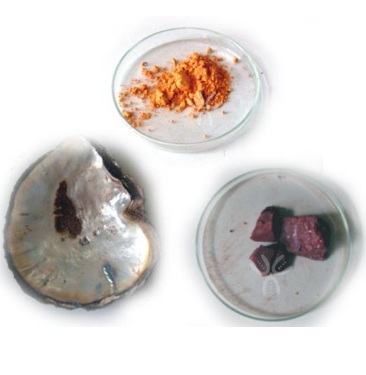
- Raw drug storage house: The department maintains a Raw Drug Storage House comprising 160 plant-origin drug specimens procured from reputed manufacturing units. These specimens are utilized for practical laboratory sessions for BAMS and MD students. All 160 specimens are displayed in the laboratory, and the same are systematically preserved in the Raw Drug Storage House of the department for academic and reference purposes. The department preserves a collection of 50 metals and mineral specimens procured from various authentic sources. All specimens are properly labeled and systematically stored for display and practical teaching purposes in the Teaching Pharmacy.Department Museum: A well-designed model of a traditional factory (Rasashala) is displayed in the museum. The museum exhibits 27 models of classical yantras used in ancient times for the purification and preparation of medicines. It also displays labeled specimens of plant, animal, metal, and mineral-origin drugs. Additionally, 85 educational charts related to Maharasa, Uparasa, Yantra, Musha, Puta, and modern standardization parameters are presented for academic reference.
- Quality Control and Quality Analysis Laboratory: A fully functional Quality Control (QC) and Quality Assurance (QA) laboratory is available for demonstration of various analytical procedures. The lab is equipped with multiple instruments, including a pH meter, Refractometer, Pycnometer, Hot air oven, Friabilator, Hot plate, Microscope, Hardness tester, Distillation apparatus , Muffle furnace etc . This facility supports the standardization of various formulations and serves the academic needs of both undergraduate and postgraduate students.
- Putam room for Bhasma preparation: An exclusive Putam Room is available for the preparation of Bhasma, where incineration processes are carried out. The facility also includes Koshti and provisions for Kupipakwa preparations, supporting traditional pharmaceutical procedures for academic and practical purposes.
- Sample of Finished drug storage facility: Samples of each preparation are collected after every practical session and systematically stored in a designated storage area. Similarly, purified metals and minerals are preserved for academic reference. Poisonous drugs, after proper purification, are also safely stored and appropriately labeled in accordance with standard safety protocols.
- Department library: The department maintains a library with 161 books, including both modern and classical Ayurvedic texts related to pharmaceutics. It serves as a valuable resource for academic reference, learning, and scholarly activities of students and faculty.
- NAM funded Teaching pharmacy: A ₹2.5 crore NAM-funded Teaching Pharmacy has been sanctioned, and construction is expected to commence soon. The DPR has already been approved. The proposed facility will include a Teaching Pharmacy, a well-equipped QC and QA laboratory, and a dedicated area with equipment such as a disintegrator, pulverizeretc for small-scale medicine production to support patient care in OPD and IPD.
- Cosmetology OPD: The department operates a well-functioning Cosmetology OPD on every Saturday, delivering effective clinical outcomes. This unit provides specialized treatments for hair, skin, face, and foot care. Conditions managed include hair fall, dandruff, dark circles, acne, pigmentation, premature greying of hair, dull and tired skin. Customized medicines are provided based on individual needs, along with other appropriate therapies.
- Outreach programs: The Department actively engages in outreach and community service through medical camps, public health initiatives, and medicine distribution programs. A notable medical camp was conducted at ALP School, Vaalakulam, focusing on skin and hair disorders. In collaboration with Ayurveda Medical Association of India and the VPSV AVC R&B Department, nearly 1,000 bottles of pain balm and 25 kg of ShadangamChurnam were prepared and distributed in Wayanad. Community-support formulations such as Pinda Taila and GadhakadyaMalahara were also prepared and supplied to underserved regions including Attapadi. The department regularly conducts pharmacovigilance awareness sessions for patients and bystanders at VPSV Ayurveda College Hospital, led by its designated pharmacovigilance coordinator. Health education classes for school students are organized annually on Doctor’s Day, and during Karkidakam month, the department conducts Bheshaja Dinacharanam programs including preparation and distribution of Mukkudi for the institutional community. Drug Bank activities performed by house surgeons are systematically guided and supervised by the department.
Beyond academics, the department contributes significantly to institutional service and skill development. It undertakes medicine preparation for various clinical departments while providing hands-on pharmaceutical training for house surgeons and postgraduate scholars in drug preparation, dispensing, and quality handling for OPD and IPD services. Undergraduate students are facilitated with pharmacy exposure visits, while postgraduate scholars participate in pharmacy and R&D visits for advanced learning. The department also organizes annual Bheshaja Dinacharanam observances, seminars, invited lectures, and training programs. As Pharmacovigilance coordinator, it conducts annual awareness campaigns for patients and attendants. Additionally, it manages the NABH Pharmacy and Therapeutics Committee and supports postgraduate education by serving as co-guides for thesis and research projects. Faculty members actively present research at national and international forums, publish in indexed journals, and mentor projects under Central Council for Research in Ayurvedic Sciences SPARK, Kerala University of Health Sciences scholarships, and Young Innovators Program initiatives.